Starting and taking off
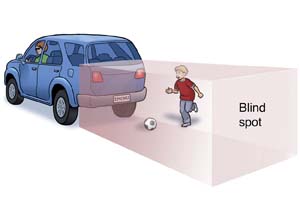
Never set the vehicle in motion until you have looked around it and under it. Children and small animals settle exactly where the driver's seat cannot see them, and nothing you do afterwards undoes driving over one.
Then get the vehicle ready. Adjust the mirrors and the seat before you move, check the door catches, put your seat belt on, and see that your passengers wear theirs where belts are fitted. If a trailer or a load leaves the centre mirror without a clear view behind, you need both wing mirrors.
Pulling off from the kerb is a routine, and the order is the point: mirror, blind spot, signal, then move off when there is a gap. Do not drive onto the road until it is clear, or until you are certain you can join it without endangering other vehicles. Check the mirrors and the blind spot before you open a door, too. A door opened into a passing cyclist is the classic town collision.
Once you are moving:
- Keep as near to the left as possible, particularly when driving slowly. The exceptions are overtaking and turning right.
- Keep well left on blind rises and do not cut blind corners. On a right-hand bend, staying left improves your view and keeps you clear of anything coming the other way.
- Never travel on the wrong side of the road or on the crown of it, unless the police, road markings or another traffic control specifically require it.
- Keep both hands on the wheel wherever you can.
- Watch for motorcyclists and cyclists working through the traffic. They are harder to see than a car and they have no protection, so give them room.
- Select a lower gear before a long descent rather than partway down it.
- When towing, the extra length changes every overtake and every turn, and the extra weight changes how the vehicle accelerates and stops.
Use the mirrors throughout the journey, not only when something is about to happen: often enough that you always know what is behind and beside you, and in good time before you signal or change direction or speed.